How Often To Bath Baby With Eczema - Baby Eczema Treatment: At-Home Options : You can use a bathtub for your baby or give your baby a bath in the sink.. If your little one is really enjoying her bath, let her stay in and reduce the temperature by a couple of degrees. To many parents, bath frequency is a major concern. For babies between the ages of 1 and 3 months, bathing once or twice a week is recommended. You can use a bathtub for your baby or give your baby a bath in the sink. For a young adult, try to bath at least one or two times a week (or more!) as showers just don't rehydrate the skin.
How to bathe a child who has eczema. Add something to the water that can soothe irritated skin: After the stump is gone, you will be able to give your baby a normal bath. Take at least one bath or shower a day bathe or shower in lukewarm (not hot) water for 10 to 15 minutes Information for carers of children with eczema bathing and cleaning is an important part of living with a child with eczema.
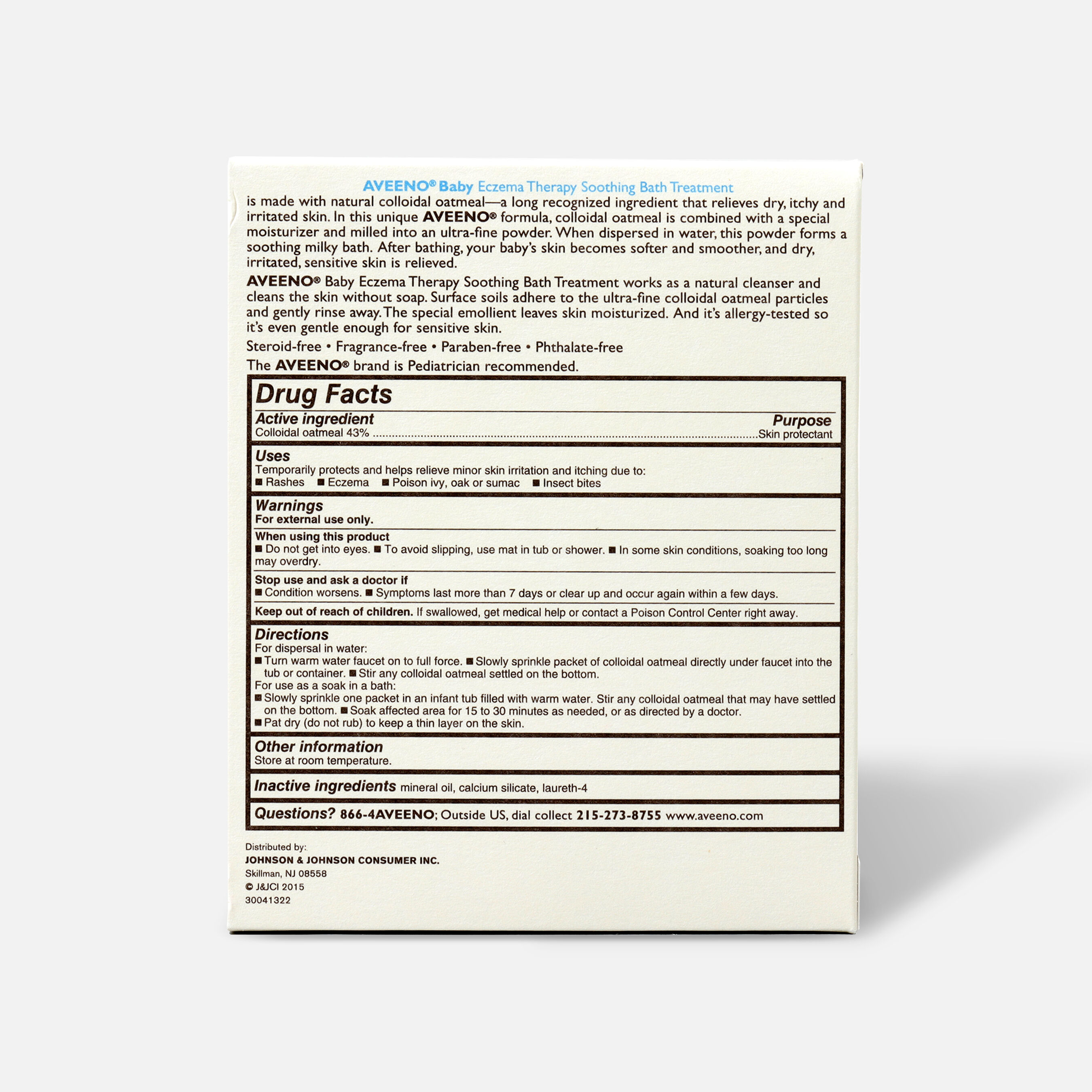
Aveeno Baby Eczema Therapy Soothing Bath Treatment from hsastore.com Oats are soothing for diaper rash, eczema, and more Hot water can make eczema worse. Rinse your child's skin twice to. If bathing daily is not possible, e.g. Learn how frequently you should bathe your newborn according to experts, as well as tips for preventing eczema outbreaks between baths. Bleach baths will help control the bacteria on your baby's skin. Take at least one bath or shower a day bathe or shower in lukewarm (not hot) water for 10 to 15 minutes On one hand, bathing is necessary to clean your baby.
To many parents, bath frequency is a major concern.
How often a baby gets a bath, what is in the baby wash and shampoo and whether the skin is properly moisturized after bathing are things that could help bring on eczema, recent studies suggest. Atopic dermatitis contact dermatitis dyshidrotic eczema hand eczema neurodermatitis nummular eczema stasis dermatitis. Researchers say many babies may be getting too many baths, and two to three a week is enough. Use lukewarm water, and bathe your baby for ten minutes. You can bathe them in oatmeal as often as you like. It's all about finding a happy medium. Researchers say many babies may be getting too many baths, and two to three a week is enough. How often should you bathe a baby with eczema? If your little one is really enjoying her bath, let her stay in and reduce the temperature by a couple of degrees. How often should i bathe my child? How often a baby gets a bath, what is in the baby wash and shampoo and whether the skin is properly moisturized after bathing are things that could help bring on eczema, recent studies suggest. Avoid scrubbing your baby's skin, and limit your baby's bath to five to 10 minutes. Removing dirt, irritants and allergens from the skin surface, softening the skin by helping it to take up water,
Could my child have eczema? If you spot itchy, scaly patches on baby's baby eczema often starts as a pink, flaky rash on the cheeks and chin in young babies, says anna • short baths with gentle cleansers: You can bathe them in oatmeal as often as you like. Those in favor of frequent bathing (defined in the paper as at least once a day) believe the presence of very dry. When it comes to eczema, you should look and experiment what works best for your baby.
How Often Should I Bathe My Baby With Eczema - Baby Viewer from www.scratchsleeves.co.uk Bath time helps to cleanse the skin to stop irritation at the skin's surface and also prepare the skin to absorb the most amount of hydration from applying moisturiser to dampened skin. Researchers say many babies may be getting too many baths, and two to three a week is enough. Although it may sound dangerous, research indicates that bleach in the bath can improve eczema symptoms due to its antibacterial and. How often should you bathe a baby with eczema? Infant eczema usually appears as patches of flaky, red skin in very visible places, including baby's chubby cheeks, behind the ears and on the scalp. Oatmeal does make your baby and the bath surface both a lot more slippery! Remember, the optimal bath temperature for bathing infants with eczema is 98.6 degrees. Natural bath oil (like our bath & body oil );
Removing dirt, irritants and allergens from the skin surface, softening the skin by helping it to take up water,
Infant eczema usually appears as patches of flaky, red skin in very visible places, including baby's chubby cheeks, behind the ears and on the scalp. There's a good reason to skip your baby's bath tonight. Remember, the optimal bath temperature for bathing infants with eczema is 98.6 degrees. You can use a bathtub for your baby or give your baby a bath in the sink. If you spot itchy, scaly patches on baby's baby eczema often starts as a pink, flaky rash on the cheeks and chin in young babies, says anna • short baths with gentle cleansers: Rinse your child's skin twice to. Researchers say many babies may be getting too many baths, and two to three a week is enough. National eczema association (nea) will say at least once a day, which is what i personally do with my child who has eczema. Daily bathing and moisturizing is key to treating baby (infantile) eczema (atopic dermatitis). Use lukewarm water, and bathe your baby for ten minutes. Hot water can make eczema worse. How to bathe your baby If you do bathe your baby, make sure that you soak & seal:
Avoid scrubbing your baby's skin, and limit your baby's bath to five to 10 minutes. Use lukewarm water, and bathe your baby for ten minutes. Pat dry gently, and apply emollient oil or salve within three minutes of getting out of the water. How to bathe your baby Eczema can look different from baby to baby, but in general, the flaky skin gets redder, while the small pimples pop up, fill with fluid and burst.
Baby Bath Products for Eczema: Best Natural Cream for Baby ... from www.parenthood4ever.com If bathing daily is not possible, e.g. Add something to the water that can soothe irritated skin: How to bathe a child who has eczema. Use lukewarm water, and bathe your baby for ten minutes. Avoid scrubbing your baby's skin, and limit your baby's bath to five to 10 minutes. Remember, the optimal bath temperature for bathing infants with eczema is 98.6 degrees. Bleach baths will help control the bacteria on your baby's skin. There is no need to rinse them off, just pat dry with a soft towel afterward.
If you do bathe your baby, make sure that you soak & seal:
If your little one is really enjoying her bath, let her stay in and reduce the temperature by a couple of degrees. If you spot itchy, scaly patches on baby's baby eczema often starts as a pink, flaky rash on the cheeks and chin in young babies, says anna • short baths with gentle cleansers: Information for carers of children with eczema bathing and cleaning is an important part of living with a child with eczema. Bath time helps to cleanse the skin to stop irritation at the skin's surface and also prepare the skin to absorb the most amount of hydration from applying moisturiser to dampened skin. Caring for babies with eczema. Although it may sound dangerous, research indicates that bleach in the bath can improve eczema symptoms due to its antibacterial and. I haven't read all the thread but i was told by the skin specialist three weeks ago at the local hospital to bath dd once a day and to cream her as many times as necessary, the creams given have 90% cleared the eczema, i was given many creams by the doctors but nothing seemed to work. How often a baby gets a bath, what is in the baby wash and shampoo and whether the skin is properly moisturized after bathing are things that could help bring on eczema, recent studies suggest. If oatmeal sticks to the bottom of the tub after the bath, use hot water and a brush to clean the bathroom mess with ease. Avoid scrubbing your baby's skin, and limit your baby's bath to five to 10 minutes. Daily bathing and moisturizing is key to treating baby (infantile) eczema (atopic dermatitis). How often should you bathe a baby with eczema? Infant eczema usually appears as patches of flaky, red skin in very visible places, including baby's chubby cheeks, behind the ears and on the scalp.